
The Painful Or Failing Knee Replacement
Understanding the causes of knee pain, stiffness, and loss of function due to joint degeneration
The Painful Or Failing Knee Replacement
Dr Darren Paterson offers comprehensive evaluation and tailored management for patients with painful or failing knee replacements, including revision surgery where required.
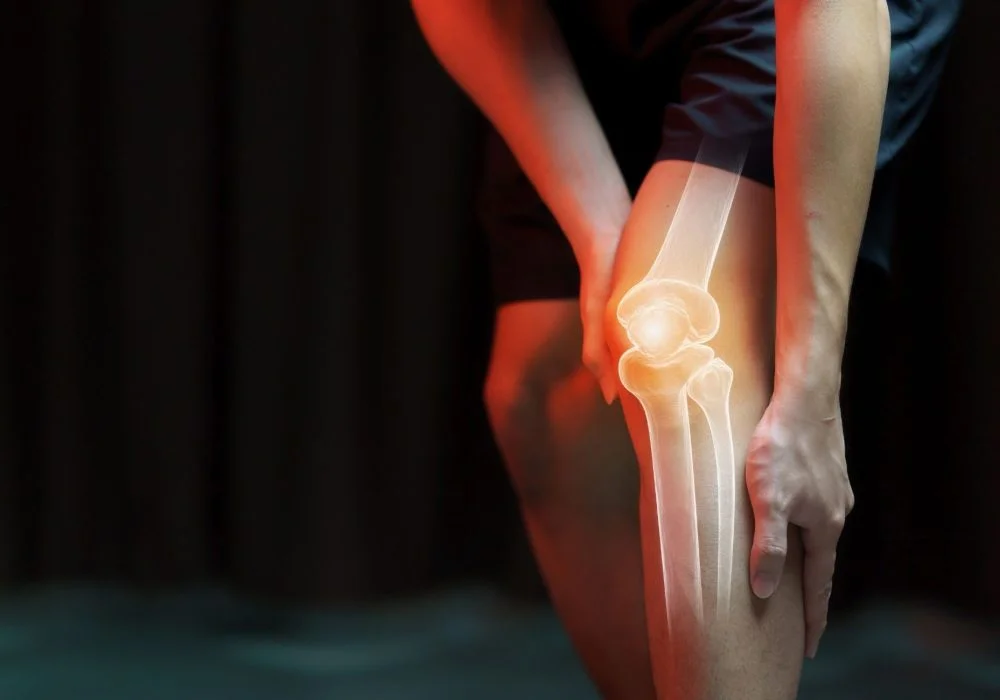
TYPES OF ARTHRITIS THAT AFFECT THE KNEE
- Ongoing or worsening pain in the knee
- Swelling, warmth, or redness around the joint
- Reduced range of motion or persistent stiffness
- Instability or a feeling of the knee giving way
- Cracking, grinding, or unusual noises during movement
- Difficulty walking, kneeling, or climbing stairs
These symptoms may indicate problems with the implant, surrounding bone, or soft tissues. Dr Paterson will assess your symptoms in the context of your overall health, activity level, and original surgical history.
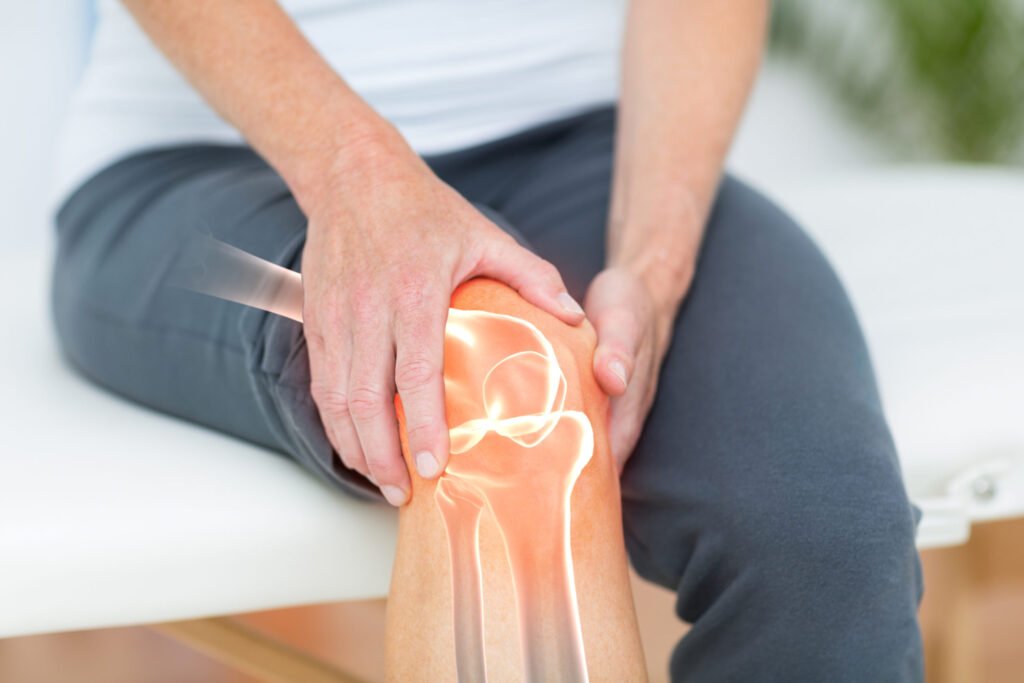
Signs your knee replacement may be failing
You should seek review if you experience any of the following after your initial recovery period:
Ongoing or worsening pain in the knee
Swelling, warmth, or redness around the joint
Reduced range of motion or persistent stiffness
Instability or a feeling of the knee giving way
Cracking, grinding, or unusual noises during movement
Difficulty walking, kneeling, or climbing stairs
These symptoms may indicate problems with the implant, surrounding bone, or soft tissues. Dr Paterson will assess your symptoms in the context of your overall health, activity level, and original surgical history.
How a painful or failing knee replacement is diagnosed
Dr Paterson will begin by taking a detailed history, examining your knee, and reviewing your original operation records if available. Imaging and testing will help confirm the cause of your symptoms.
Investigations may include:
X-rays to assess implant position and signs of loosening
Blood tests to detect infection or inflammation
Joint aspiration to rule out periprosthetic joint infection
CT scans for detailed implant alignment or bone integrity
Bone scans or MRI (where appropriate) to assess surrounding tissues
An accurate diagnosis will help determine whether your symptoms can be managed without surgery or if revision knee replacement is needed.
Treatment options for ongoing pain or suspected failure after knee replacement
- In some cases, symptoms can be managed without additional surgery including:
- Physiotherapy to improve muscle strength and joint stability
- Activity modification to reduce stress on the knee
- Pain relief or anti-inflammatory medications
- Injections for inflammation or bursitis
These measures may provide relief for patients whose implants are well-positioned and functioning but who experience soft tissue discomfort or mild instability.

WHEN TO SEEK A REVIEW FOR KNEE ARTHRITIS OR ONGOING PAIN
If the implant is loose, worn, infected, or misaligned, revision surgery may be recommended.
Revision knee replacement involves removing the old prosthetic components and replacing them with new implants designed to restore function and address structural problems. This is a more complex procedure than initial knee replacement and requires careful planning. Dr Paterson uses advanced surgical techniques, including patient-specific instrumentation and modern revision systems, to improve accuracy and outcomes.
Recovery after revision surgery may take longer than after a primary knee replacement. Most patients begin physiotherapy shortly after surgery and use crutches or a walker for the first few weeks. Dr Paterson and his team will provide a clear rehabilitation plan and follow-up schedule to support your recovery.
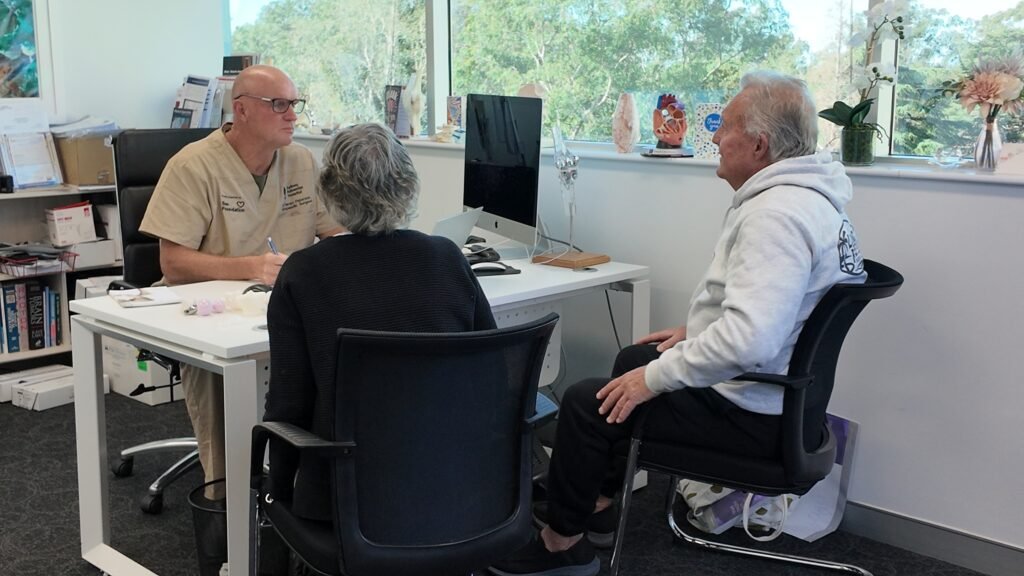
WHEN TO SEEK A REVIEW FOR KNEE ARTHRITIS OR ONGOING PAIN
If you are experiencing ongoing knee pain, swelling, or difficulty walking after knee replacement surgery, it is important not to ignore these symptoms. A timely review can identify treatable issues and help prevent further joint deterioration.
Dr Darren Paterson offers detailed assessment and personalised treatment planning for painful or failing knee replacements, helping you regain confidence and function in your everyday activities.
Heal fast, live fully
We understand that choosing care for a hip or knee condition is a meaningful decision—one that can greatly impact your comfort, mobility, and quality of life.
To help us better understand your needs and provide the best possible assistance, please take a moment to complete the form below.
Get In Touch
Have questions or ready to book? Leave your details and we’ll be in touch.