
ANTERIOR CRUCIATE LIGAMENT (ACL) RECONSTRUCTION
ACL RECONSTRUCTION
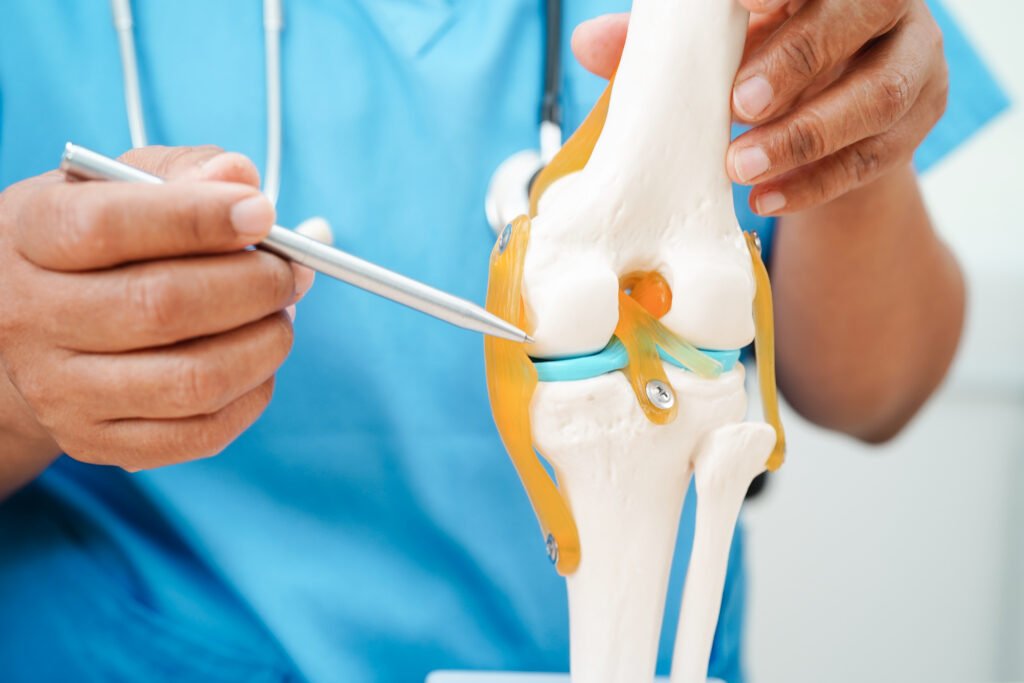
The anterior cruciate ligament (ACL) is one of the key stabilising ligaments in your knee. It connects the femur (thighbone) to the tibia (shinbone) and helps control forward movement and rotation of the knee joint. ACL injuries often occur during sports that involve sudden stops, pivots, or changes in direction, but can also result from awkward landings or traumatic knee twists.
A torn ACL does not usually heal on its own. If left untreated, it can lead to ongoing instability, reduced knee function, and increased risk of damage to other structures in the knee, including the meniscus and articular cartilage.
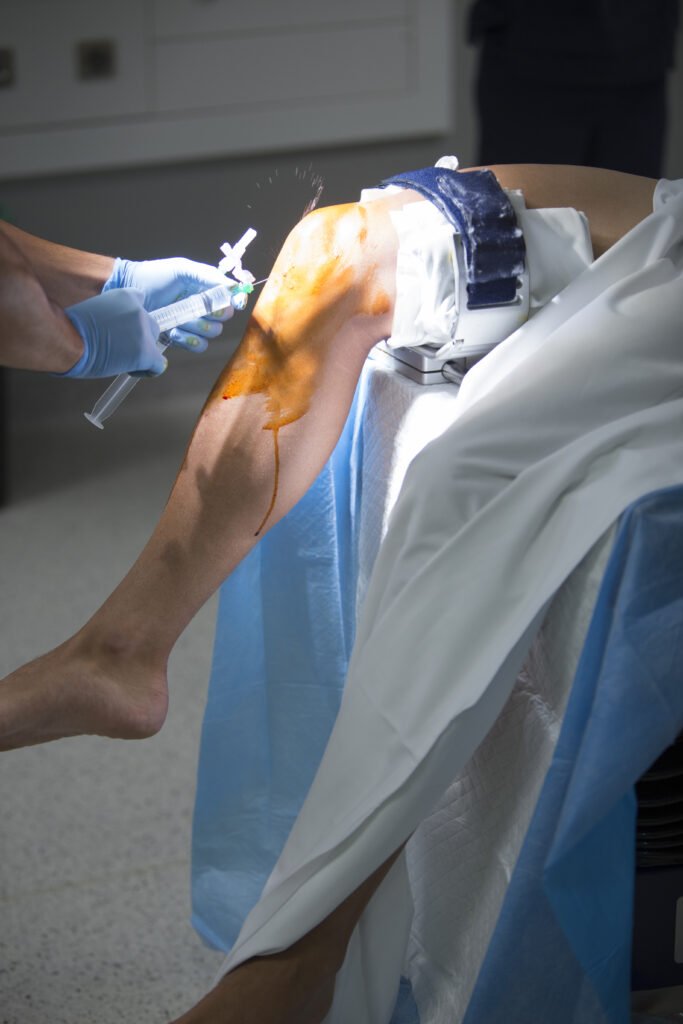
Symptoms of an ACL injury
Early Indicators of Anterior Cruciate Ligament Damage
Symptoms include:
A sudden ‘pop’ sound or sensation at the time of injury
Rapid swelling within the first few hours.
A feeling of instability or the knee giving way during activity
Difficulty pivoting or changing direction
Pain when walking or bearing weight, especially on uneven ground
How ACL injuries are diagnosed
Dr Paterson will perform a thorough clinical assessment, beginning with a discussion about how your injury occurred and the symptoms you’re experiencing. Key steps include:
1. Physical Examination
The doctor checks for knee swelling, range of motion, and overall joint stability. This helps identify signs of ligament injury early on.
2. Lachman’s and Pivot Shift Tests
These manual tests assess how stable the knee is. Abnormal movement suggests a torn or weakened ACL.
3. MRI Scan
An MRI provides detailed images to confirm an ACL tear. It also checks for damage to the meniscus or cartilage.
4. X-Rays
X-rays help rule out bone fractures or bruising. They’re used to check for other injuries that may accompany an ACL tear.
This information helps guide whether surgical reconstruction is the right option for you and which approach may be most suitable.
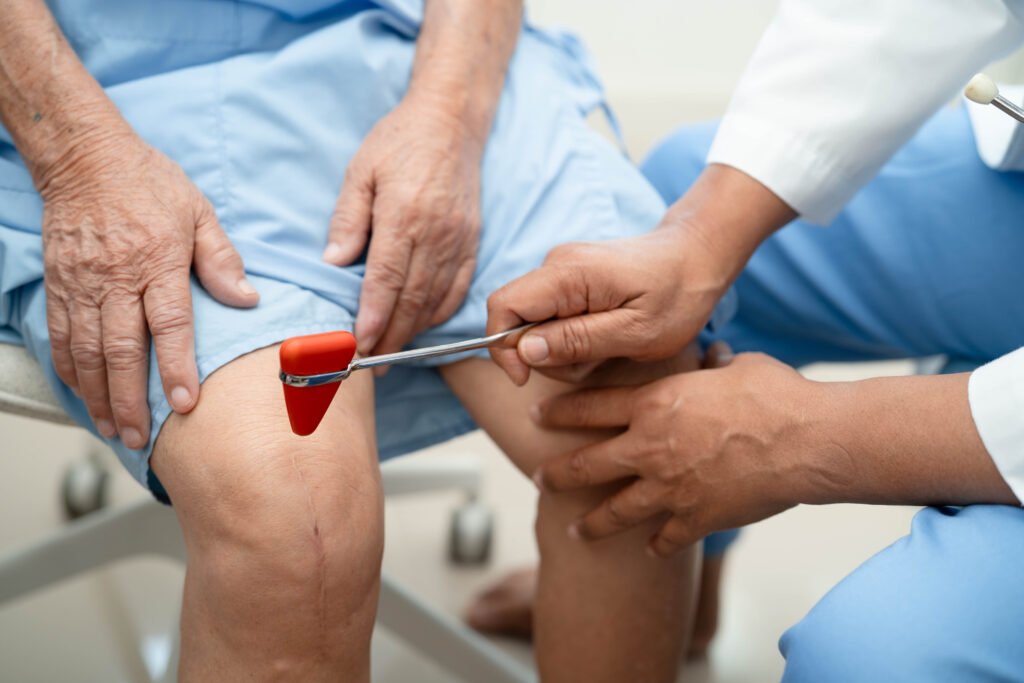
When is ACL reconstruction recommended?
ACL reconstruction may be recommended if:
- You’re experiencing instability during daily activities or sport
- You want to return to sports that involve pivoting, cutting, or jumping
- You have other associated knee injuries, such as a meniscal tear
- Non-operative treatment has not restored your confidence or knee function
What is ACL reconstruction surgery?
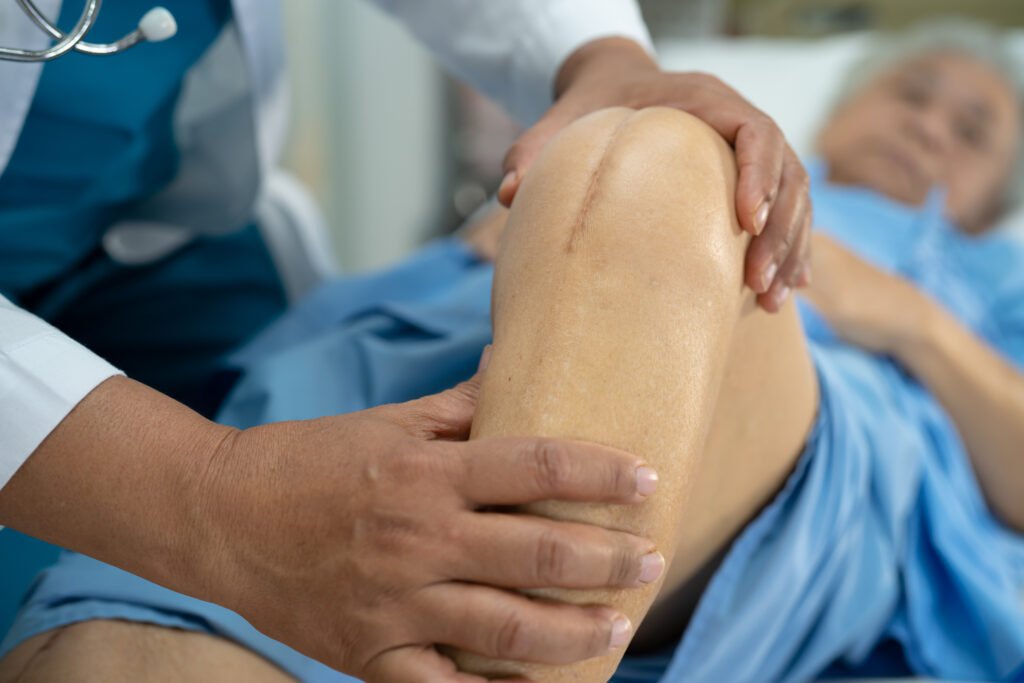
ACL reconstruction is a surgical procedure where the torn ligament is replaced with a graft—tissue taken from another part of your body. This graft acts as a scaffold that eventually integrates and functions like a new ligament. The procedure is usually done arthroscopically using small incisions and specialised instruments.
Dr Paterson performs two commonly used ACL reconstruction techniques: patellar tendon graft and hamstring tendon graft. The most appropriate option will be determined based on your individual anatomy, activity goals, and lifestyle.
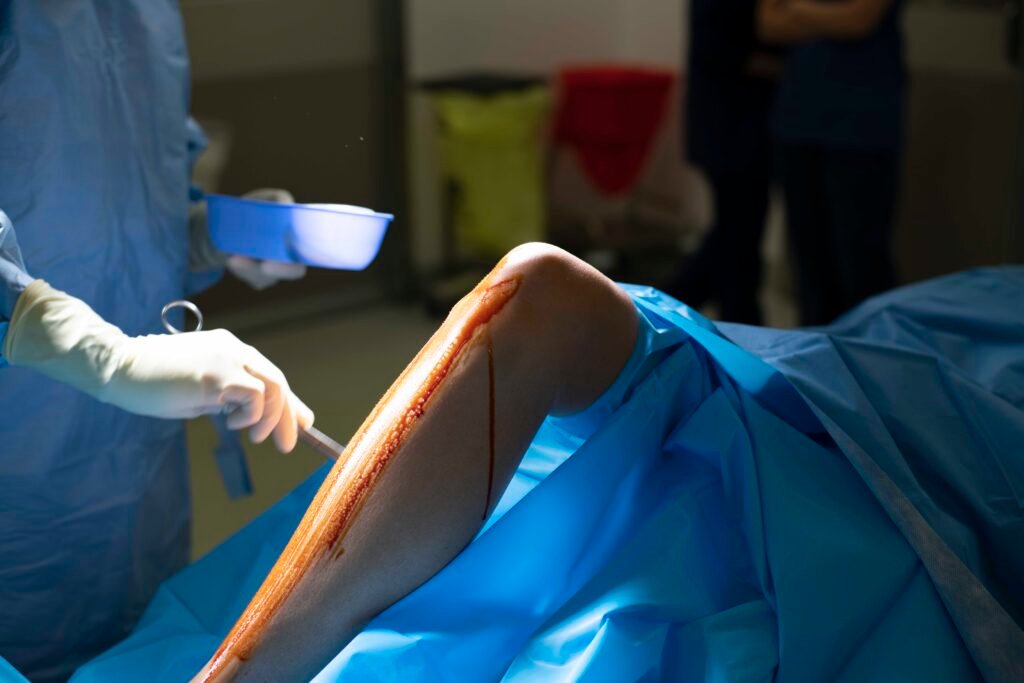
The Patellar tendon graft (bone–patellar tendon–bone) ACL Reconstruction
This method uses the middle third of the patellar tendon, along with small pieces of bone from the kneecap and shinbone. These bone plugs are securely placed into tunnels drilled into the femur and tibia.
- Benefits:
- Strong initial fixation using bone-to-bone healing
- Long track record in high-level athletes
- May offer slightly quicker graft integration in some individuals
- Considerations:
- May cause kneeling discomfort or anterior knee pain
- Rare risk of patellar fracture or tendon irritation
- Slightly larger incision than the hamstring method
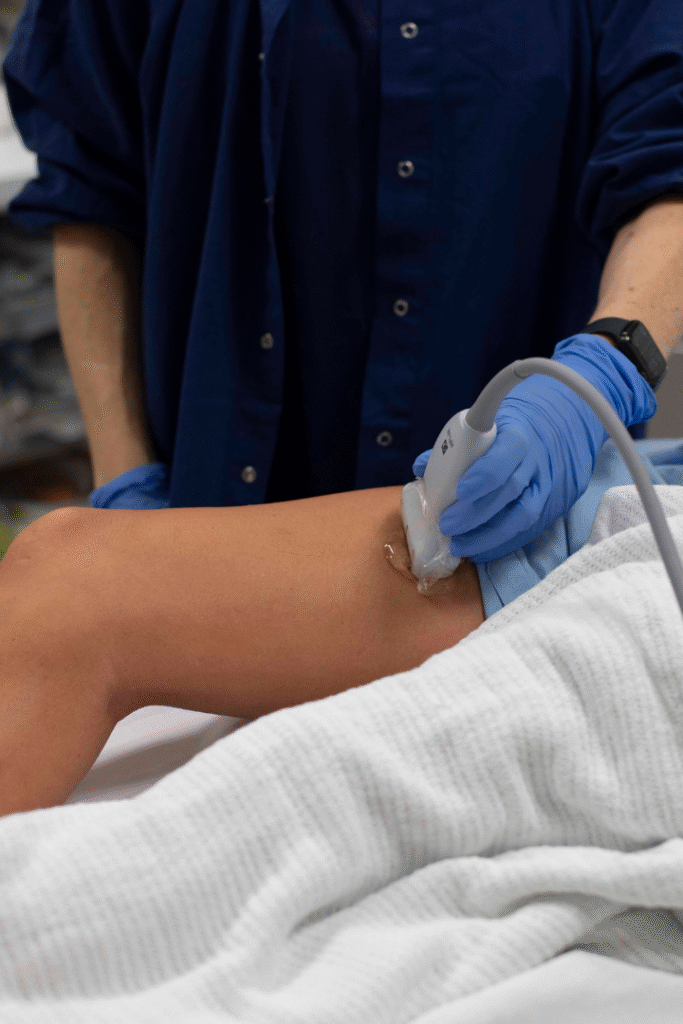
The Hamstring tendon graft ACL Reconstruction
This technique uses one or two tendons from the hamstring muscles, typically the semitendinosus (and sometimes gracilis), which are folded to create a strong graft. The graft is secured in bone tunnels using fixation devices.
- Benefits:
- Less anterior knee pain and easier kneeling in recovery
- Smaller incision at the front of the knee
- Suitable for many active individuals and athletes
- Considerations:
- Slight risk of hamstring weakness during early rehab
- May take a little longer to fully incorporate into the bone
- Not always ideal in patients with small or weak hamstring tendons
What happens during ACL reconstruction Surgical Procedure?
ACL reconstruction is usually performed under general anaesthetic, either as day surgery or with an overnight stay.
The steps typically include:
Arthroscopic inspection
Arthroscopic inspection of the joint to confirm the ACL tear and check for other damage
Harvesting the graft
Harvesting the graft (patellar or hamstring tendon)
Creating bone
Creating bone tunnels in the femur and tibia
Placing the graft
Placing and securing the graft using screws or fixation devices
Repairing other structures
Repairing other structures, such as meniscus tears, if needed
Closing the incisions
Closing the incisions and applying a sterile dressing
Recovery and rehabilitation following ACL reconstructioN
Rehabilitation is a key part of a successful ACL reconstruction. Your recovery will be closely guided by Dr Paterson and your physiotherapist. While each plan is individualised, general milestones include:
- 0–2 weeks: Rest, ice, pain management, and early movement exercises
- 2–6 weeks: Gradual return to walking without crutches, regain full range of motion
- 6–12 weeks: Progressive strengthening and proprioception work
- 3–6 months: Functional and sport-specific training begins
- 6–12 months: Gradual return to high-level sport, once cleared by your care team
ACL Reconstruction Risks and potential complications
ACL reconstruction is a commonly performed and generally safe procedure. However, all surgery carries some risk. Potential complications may include:
- Infection or bleeding
- Blood clots (deep vein thrombosis)
- Graft failure or re-tear
- Knee stiffness or reduced range of motion
- Nerve irritation or numbness
- Ongoing pain or instability (rare)
Will ACL reconstruction surgery restore my knee to normal?
While ACL reconstruction can restore stability and improve function, it may not make the knee exactly as it was before injury. Ongoing strengthening and conditioning are important for long-term joint health. Many people return to their pre-injury level of sport, although this depends on many factors including graft type, rehabilitation, and other associated injuries.
Heal fast, live fully
We understand that choosing care for a hip or knee condition is a meaningful decision—one that can greatly impact your comfort, mobility, and quality of life.
To help us better understand your needs and provide the best possible assistance, please take a moment to complete the form below.
Get In Touch
Have questions or ready to book? Leave your details and we’ll be in touch.